The Odisha real estate market in 2026 is standing at a very important turning point. Rising fuel prices, inflation pressure, construction material cost increases, global economic uncertainty, and changing buyer behavior are creating challenges across India. But Odisha is reacting differently compared to many other states.
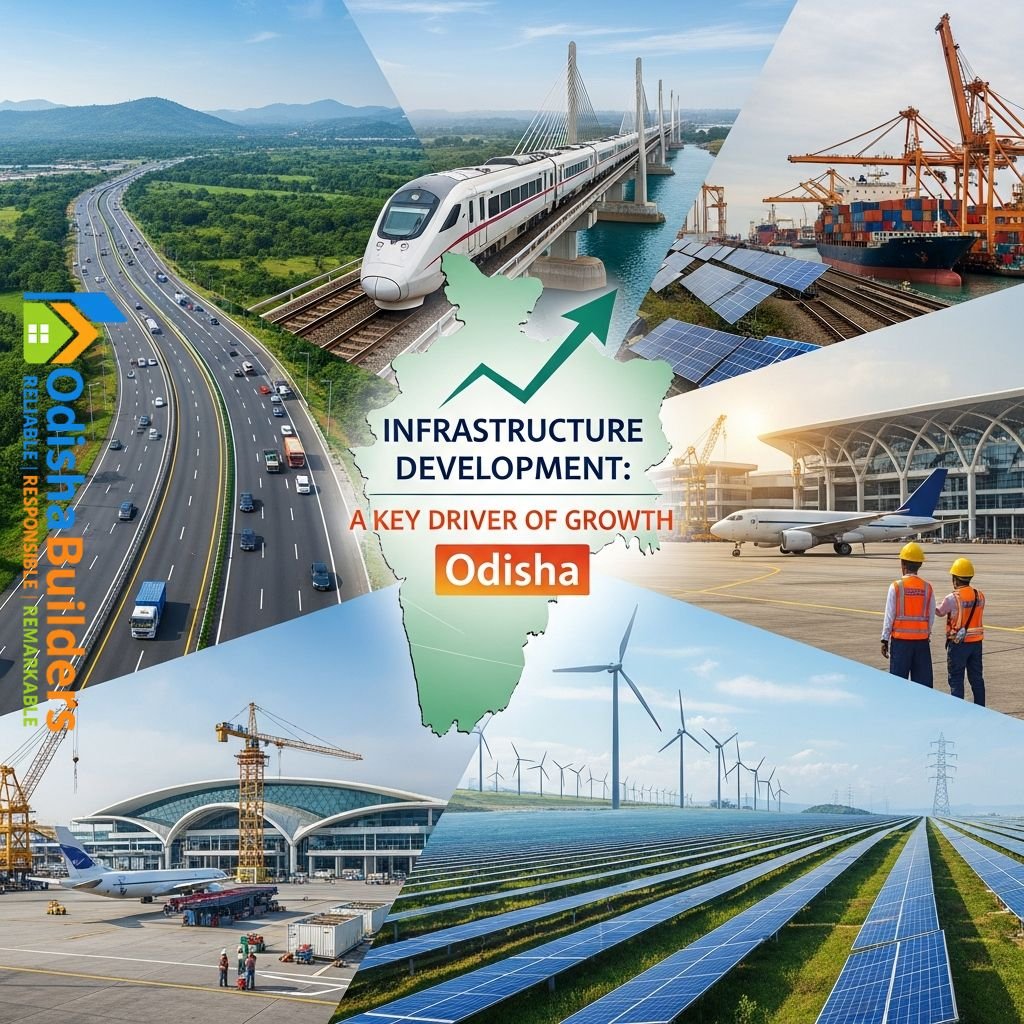
While several markets are slowing due to affordability pressure, Odisha still shows signs of long-term structural growth because of infrastructure expansion, industrial investment, urbanization, IT growth, and government-backed development projects.
The biggest question in 2026 is not whether Odisha real estate will survive the crisis — it is which segments will grow, which will slow down, and where investors should remain careful.
Will Odisha real estate crash, slow down, or become the next high-growth market in Eastern India?
The answer is more complex than a simple boom or crash.
Odisha Real Estate in 2026: Crisis or Transformation?
India’s real estate sector in 2026 is facing multiple pressures:
-
High construction cost
-
Cement and steel price fluctuations
-
Fuel and transportation crisis
-
Increasing home loan EMIs
-
Reduced middle-class purchasing power
-
Slowdown in speculative buying
However, Odisha is experiencing a parallel growth cycle because industrial and infrastructure expansion is still attracting long-term investment. Major industrial approvals and infrastructure projects across the state continue to create economic activity and employment opportunities.
This means Odisha may not see a complete market collapse, but instead a market correction and segmentation.
Why Odisha Real Estate Still Has Strength
1. Massive Industrial Investment Is Driving Demand
Odisha is becoming one of eastern India’s largest industrial investment destinations.
Recent approvals include:
-
₹40,811 crore industrial rollout projects
-
₹52,000 crore investment proposals
-
Semiconductor and advanced manufacturing projects
-
Green energy, IT, logistics, cement, and textile sectors
These projects are expected to generate thousands of jobs across multiple districts.
When industrial investment rises, demand increases for:
-
Residential housing
-
Rental apartments
-
Commercial offices
-
Warehouses
-
Worker accommodations
-
Retail spaces
This creates long-term support for real estate growth.
2. Bhubaneswar Is Emerging as a Strong Urban Hub
Bhubaneswar remains the center of Odisha’s real estate activity.
Growth drivers include:
-
IT expansion
-
Smart City infrastructure
-
Metro planning
-
Ring road development
-
Airport connectivity
-
Infocity expansion
-
Educational institutions
-
Healthcare infrastructure
Several reports highlight strong demand in Patia, Chandrasekharpur, Nayapalli, Khandagiri, Sundarpada, and surrounding corridors.
The city is gradually shifting from an affordable Tier-2 market into a mid-premium urban market.
3. Odisha Is Becoming an Industrial + Logistics Corridor
The state is no longer dependent only on mining.
New focus sectors include:
-
Semiconductor manufacturing
-
Data centers
-
Defence manufacturing
-
Green energy
-
Textiles
-
Electronics
-
Tourism
-
Logistics
Odisha’s industrial diversification is accelerating rapidly.
This supports long-term land appreciation around:
-
Khordha
-
Cuttack
-
Kalinga Nagar
-
Angul
-
Jharsuguda
-
Sambalpur
-
Puri corridor
But the Crisis Is Real Too
Despite the positive growth story, Odisha real estate is not risk-free.
The market is also showing warning signs.
Major Risks Facing Odisha Real Estate in 2026
1. Construction Costs Are Rising Rapidly
The fuel crisis directly affects:
-
Cement transportation
-
Steel logistics
-
Sand supply
-
Labour movement
-
Brick manufacturing
-
Machinery operations
As diesel and transportation costs rise, overall construction budgets increase significantly.
This creates:
-
Delayed projects
-
Budget overruns
-
Reduced developer margins
-
Slower construction speed
Small builders are under pressure in 2026.
2. Apartment Prices May Become Unsustainable
One of the biggest concerns is affordability.
In many areas of Bhubaneswar, apartment prices have risen faster than actual income growth.
Online discussions and local market sentiment increasingly mention:
-
Oversupply concerns
-
Weak rental yields
-
Speculative pricing
-
End-user affordability pressure
Some investors believe the apartment market could face stagnation or correction if prices continue rising too aggressively.
This does not mean a crash is guaranteed, but it does mean buyers should avoid blindly purchasing overpriced projects.
3. Middle-Class Buyers Are Under Pressure
The biggest impact of the 2026 crisis is on middle-income buyers.
Problems include:
-
Higher EMI burden
-
Rising daily expenses
-
Job uncertainty
-
Inflation pressure
-
Reduced savings capacity
This affects demand for:
-
Mid-range apartments
-
Luxury speculative housing
-
High-ticket investments
Affordable and practical housing will likely perform better than ultra-luxury projects.
Which Odisha Real Estate Segments Will Grow?
Strong Growth Segments
Residential Plots
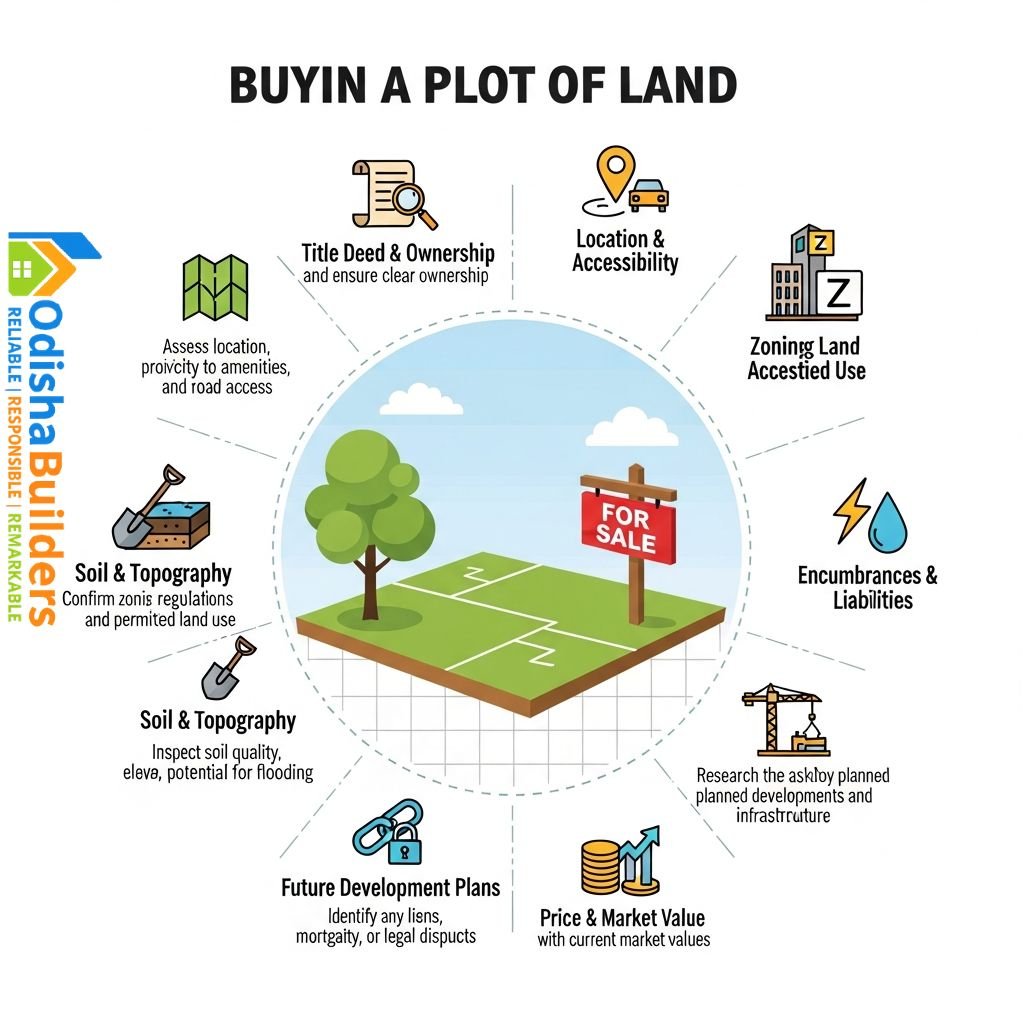
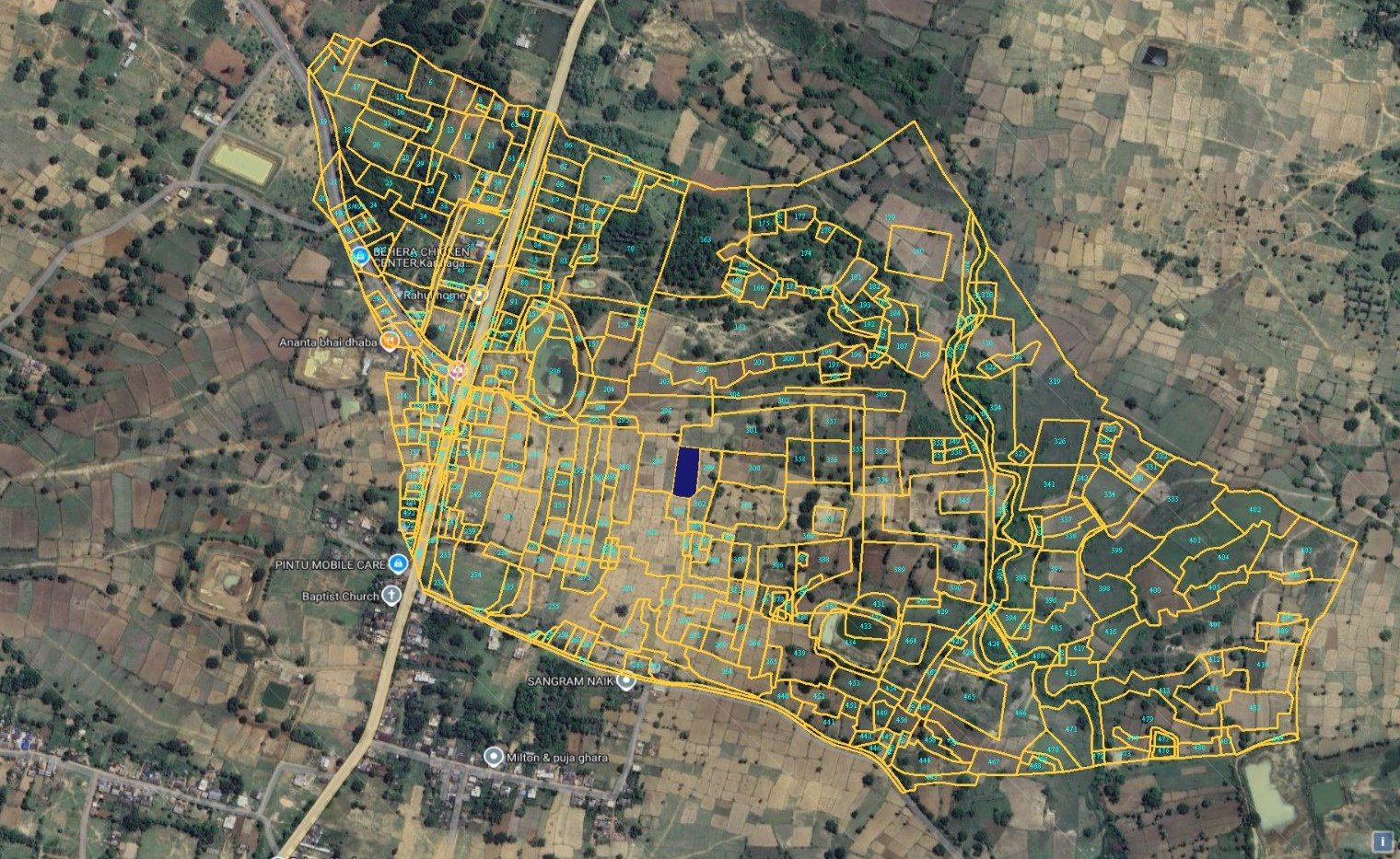
Plots remain one of the strongest long-term investments because:
-
Land supply is limited
-
Infrastructure expands land value
-
Buyers prefer flexible self-construction
-
Inflation generally supports land appreciation
Peripheral growth areas may outperform premium saturated zones.
Industrial & Warehouse Real Estate
This could become Odisha’s biggest winner over the next 5–10 years.
Demand drivers include:
-
Manufacturing growth
-
Port connectivity
-
Logistics expansion
-
E-commerce
-
Industrial parks
Districts linked to industrial corridors may see major appreciation.
Rental Housing Near IT & Industrial Zones
Rental demand is increasing in:
-
Patia
-
Infocity
-
Chandrasekharpur
-
Khordha
-
Kalinga Nagar
-
Industrial clusters
Young professionals and migrant workers are driving this demand.
Budget Housing
Affordable housing will remain stable because real demand still exists.
The crisis actually pushes buyers toward:
-
Smaller homes
-
Budget flats
-
Practical layouts
-
Low-maintenance properties
Which Segments May Slow Down?
Luxury Apartments
High-ticket luxury inventory could face slower absorption because:
-
Buyer pool is limited
-
EMIs are high
-
Investors are becoming cautious
Only premium projects with strong location advantages may sustain demand.
Speculative Projects
Projects launched only for hype — without infrastructure, legal clarity, or genuine demand — may struggle badly in 2026–2027.
Buyers are becoming more careful after seeing regulatory tightening and market fluctuations.
District-Wise Real Estate Outlook
High Growth Potential
Bhubaneswar
-
IT and infrastructure growth
-
Strong rental demand
-
Metro and ring road effect
Cuttack
-
Industrial and commercial expansion
-
Connectivity advantages
Puri
-
Tourism and hospitality growth
-
Religious tourism demand
Jharsuguda
-
Industrial and airport-driven growth
Sambalpur
-
Western Odisha economic expansion
Angul
-
Energy and industrial corridor
What Smart Investors Are Doing in 2026
The market behavior is changing.
Investors are now focusing more on:
-
Infrastructure-driven growth
-
Legal clarity
-
Long-term land value
-
Rental income
-
Industrial corridors
-
Practical affordability
Speculative “quick flipping” is reducing.
Infrastructure-led investment thinking is becoming stronger nationwide.
Will Odisha Real Estate Crash?
A full-scale collapse appears unlikely right now because:
-
Industrial investment remains strong
-
Urbanisation continues
-
Odisha still has growth potential
-
Infrastructure spending is increasing
However, some parts of the market may face:
-
Price stagnation
-
Slower sales
-
Correction in overvalued areas
-
Delayed appreciation
The most probable scenario is a selective slowdown, not a complete crash.
Final 2026 Forecast
Short-Term (2026–2027)
Expected:
-
Slower apartment sales
-
Rising construction costs
-
Buyer caution
-
Delayed luxury purchases
-
Stable demand for plots and affordable housing
Medium-Term (2027–2030)
Expected:
-
Strong infrastructure-led appreciation
-
Industrial corridor expansion
-
IT and semiconductor ecosystem growth
-
Higher urban migration
-
Growth in rental demand
Conclusion
Odisha real estate in 2026 is entering a more mature phase.
The market is no longer driven only by cheap land and speculative excitement. The future will depend on:
-
Infrastructure
-
Industry
-
Connectivity
-
Employment growth
-
Legal transparency
-
Real end-user demand
The crisis will remove weak and speculative projects, but strong locations connected to infrastructure and economic growth may emerge even stronger.
For buyers and investors, 2026 is not the time for emotional buying. It is the time for strategic, research-based decisions.
Odisha’s real estate future still looks promising — but only for projects, locations, and investments backed by real economic growth.
1. Is Odisha real estate safe for investment in 2026?
Yes, Odisha real estate still shows long-term growth potential due to industrial expansion, infrastructure projects, Smart City development, and increasing urbanization. However, buyers should focus on legally clear and infrastructure-supported locations.
2. Will Odisha property prices fall in 2026?
Some overvalued apartment markets may see price correction or slow growth, especially in speculative areas. But prime locations and infrastructure-connected zones are expected to remain stable.
3. Which city has the best real estate growth potential in Odisha?
Bhubaneswar currently has the strongest growth potential because of IT expansion, Smart City development, metro planning, and rising rental demand.
4. Is Bhubaneswar property market in a bubble?
Certain premium apartment segments may be overpriced compared to rental returns and local income levels. However, the overall market is still supported by infrastructure and employment growth.
5. Which real estate segment is safest during the 2026 crisis?
Residential plots, affordable housing, and industrial-linked properties are considered safer compared to speculative luxury apartments.
6. Will construction costs increase further in 2026?
Yes, fuel prices, transportation costs, labour expenses, steel, and cement prices are increasing overall construction costs across Odisha.
7. Is it better to buy land or apartment in Odisha in 2026?
Many investors prefer land because:
-
Land supply is limited
-
Long-term appreciation potential is higher
-
No major maintenance cost
-
Better flexibility for future construction
However, apartments may still work well in strong rental-demand areas.
8. Which Odisha locations may grow fastest in the next 5 years?
High-potential locations include:
-
Bhubaneswar
-
Cuttack
-
Puri
-
Jharsuguda
-
Sambalpur
-
Angul
9. Is Odisha good for rental property investment?
Yes, rental demand is increasing near:
-
IT parks
-
Industrial zones
-
Educational hubs
-
Hospitals
-
Smart City corridors
Areas near Infocity and industrial corridors may offer better rental demand.
10. Will industrial growth impact Odisha real estate?
Yes, industrial investment creates:
-
Employment
-
Housing demand
-
Commercial activity
-
Infrastructure development
-
Rental demand
Industrial growth is one of the biggest reasons Odisha real estate remains strong in 2026.
11. Should buyers avoid luxury apartments in 2026?
Buyers should be cautious with overpriced luxury projects. Only projects with strong locations, reputed developers, and genuine demand may perform well.
12. Is now the right time to invest in Odisha real estate?
2026 can be a good time for long-term investors who:
-
Research properly
-
Focus on infrastructure growth
-
Verify legal documents
-
Avoid speculative buying
-
Invest with 5–10 year vision
13. What are the biggest risks in Odisha real estate market?
Major risks include:
-
Rising construction costs
-
Project delays
-
Overpricing
-
Weak rental yield in some areas
-
Economic slowdown
-
Fuel and inflation crisis
14. Will Odisha become a major real estate destination in East India?
Odisha is gradually emerging as a strong eastern India investment destination because of:
-
Ports
-
Industries
-
Smart City growth
-
IT development
-
Infrastructure expansion
-
Industrial corridors
15. What type of buyers may benefit most in 2026?
Long-term buyers, first-time homeowners, plot investors, and rental-focused investors may benefit more compared to short-term speculative investors.